


The Euphoria of Winning
Winning in a casino can evoke intense feelings of euphoria, primarily due to the release of dopamine in the brain, where many players often seek casino sites not on gamstop for continuous thrills. This neurotransmitter is associated with pleasure and reward, creating a powerful emotional response that can make winners feel invincible. The thrill of hitting a jackpot can lead to heightened confidence, where players may believe they possess a special luck or skill, which can encourage them to continue gambling.
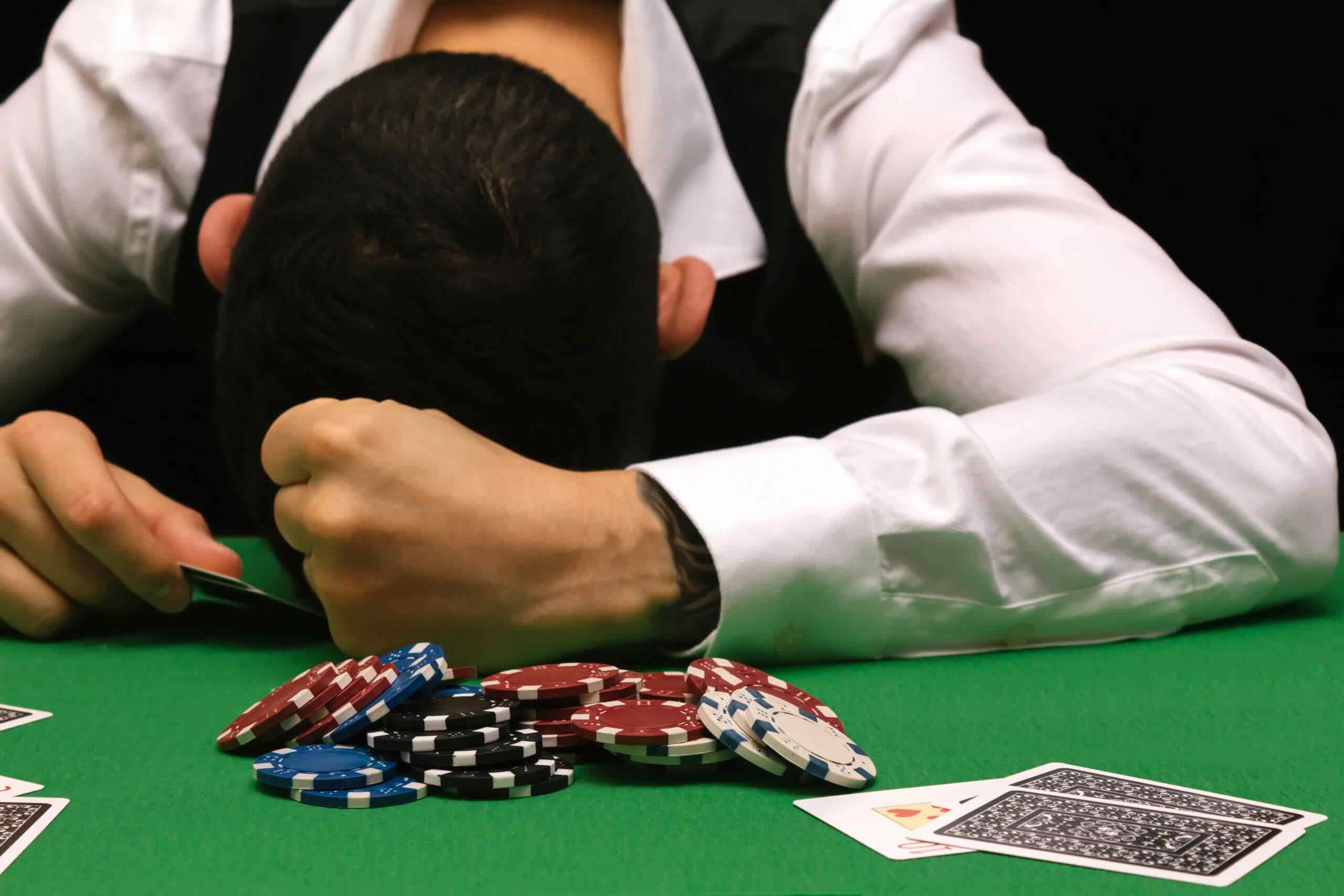
This state of euphoria, however, can be misleading. While winning can provide immediate gratification and joy, it often clouds judgment. Players may disregard their losses and become overly optimistic about future wins, which can lead to increased gambling behavior. This rush can create a cycle where individuals chase that initial high, risking larger sums and potentially leading to compulsive gambling patterns.
The Social Aspect of Winning
Winning in a casino often comes with a social component that can amplify the psychological effects. Celebrating wins with friends or strangers can enhance feelings of camaraderie and collective joy. This social interaction can reinforce the idea that winning is not just a personal triumph but a shared experience that strengthens connections among players.
Moreover, the environment of a casino itself is designed to promote social engagement, with communal games and lively atmospheres. This can further enhance the psychological impacts of winning, as players may feel a sense of belonging and community. However, it also raises concerns about peer influence, where individuals may feel pressured to maintain a winning streak in front of others, leading to risky behaviors.
The Downside of Winning
While winning may deliver short-term happiness, it can also lead to longer-term challenges. The phenomenon known as the “winner’s curse” can take hold, where individuals may feel an overwhelming pressure to replicate their winning experiences. This pressure can lead to anxiety, stress, and ultimately disappointment when future gambling sessions do not yield the same results.
Additionally, winners may experience guilt, particularly if their gambling habits have negative repercussions on their finances or relationships. The psychological balance between joy and guilt can create a complex emotional landscape that complicates the relationship individuals have with gambling and their perception of personal success.
The Role of Cognitive Biases
Cognitive biases significantly influence how winners perceive their successes in a casino environment. One common bias is the “illusion of control,” where players believe they can influence the outcome of games based on previous wins. This can create a false sense of security, encouraging players to engage in riskier behavior, believing that their luck will continue.
Another prevalent bias is the “availability heuristic,” where individuals overemphasize their recent wins and underestimate their losses. This skewed perception can lead to a distorted view of reality, making players more likely to gamble again in hopes of replicating their past lucky streaks. Understanding these cognitive biases is crucial for anyone looking to navigate the casino landscape responsibly.
Further Insights on Gambling Behavior
This website aims to provide valuable resources and insights into gambling behavior, focusing on aspects like the psychological effects of winning and losing in casino environments. By understanding these dynamics, users can make more informed decisions regarding their gambling habits and mitigate potential risks.
Whether you are a casual player or a more frequent visitor, our content seeks to promote awareness and responsible gambling practices. We encourage open discussions about the psychological impact of gambling, helping individuals navigate their experiences in a balanced and educated manner.
